
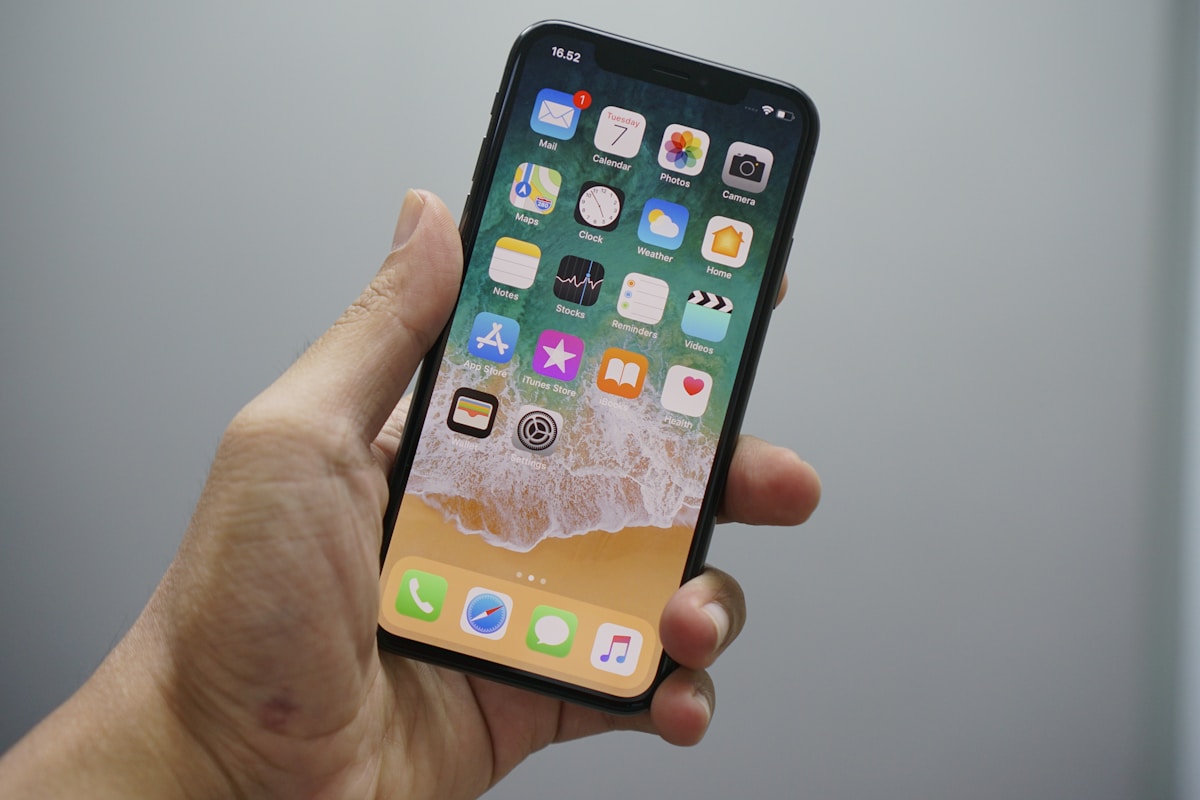

Keeping work and personal calls separate matters more than ever. Virtual mobile phone numbers let UK businesses manage multiple lines.
No extra devices or SIM cards needed.
How many handsets does your team need?
Get a free no-obligation quote in 60 seconds
When does your current contract expire?
Tell us about your business
Your details
We'll never share your details. Unsubscribe anytime.
Thank you!
One of our mobile experts will be in touch shortly with your tailored quote.















They work for sole traders, marketing teams, and growing businesses alike. Virtual numbers offer the flexibility and professionalism modern businesses need.
This guide covers everything about setting up virtual phone numbers for your UK business.
What Is a Virtual Mobile Phone Number?
A virtual mobile phone number UK solution is essentially a telephone number that isn’t directly associated with a specific physical phone line or device. If you are still choosing between options, our comparison of business phone lines (VoIP, landline and virtual numbers) shows how they stack up on cost and features.
Instead, it exists in the cloud and can be configured to route calls to any device you choose. Your existing mobile, landline, VoIP system, or even multiple devices simultaneously.
Unlike traditional phone numbers tied to specific hardware or SIM cards, virtual numbers operate through software-based systems.
When someone dials your virtual number, the call is processed through internet-based telephony infrastructure and forwarded according to your predetermined rules.
This might mean routing to your mobile during business hours, redirecting to a colleague when you’re unavailable, or even playing a custom voicemail message outside of operating hours.
The technology behind virtual numbers leverages VoIP (Voice over Internet Protocol) and advanced call routing systems.
However, to the person calling you, there’s no difference – they simply dial a standard UK mobile or landline number and connect with you as usual.
The sophistication happens entirely behind the scenes.
Key Differences from Traditional Numbers
Traditional mobile numbers come from amobile virtual network operator UKprovider or one of the major networks (EE, O2, Three, Vodafone) and are tied to a physical SIM card in a specific device.
Virtual numbers, by contrast, exist independently of any hardware.
You can access them from multiple devices, change routing rules instantly, and even maintain the same number if you switch phones, providers, or locations.
This flexibility extends to how you manage the number itself.
Most virtual phone systems include web-based dashboards or mobile apps. From there you can control call forwarding, set business hours, record calls, access voicemail transcriptions, and view detailed analytics. These are features that would require complex and expensive infrastructure with traditional phone systems.
How Virtual Phone Systems Work for UK Businesses
Understanding the technical operation of avirtual phone systemhelps you appreciate its capabilities and limitations.
The process begins when you buy a virtual number from a provider.
This number can be one of three types:
- A new UK mobile number (typically in 07xxx format).
- A local geographic number, with area codes like 020 for London or 0161 for Manchester.
- A non-geographic number such as 0800 or 0333.
Once activated, you configure your routing preferences through the provider’s platform. This is where the real power becomes apparent.
You might set up rules such as:
- Route all calls to your mobile between 9am-5pm on weekdays
- Forward to a colleague’s phone if you don’t answer within 20 seconds
- Send calls directly to voicemail outside business hours
- Simultaneously ring multiple team members’ phones for important clients
- Route calls to different departments based on keypad selections (press 1 for sales, 2 for support)
When someone calls yourvirtual mobile phone number UK, the provider’s system checks your routing rules and connects the call accordingly.
This happens in milliseconds, creating a seamless experience for callers.
Most quality providers maintain redundant infrastructure across multiple data centres to ensure reliability comparable to or exceeding traditional phone networks.
The calling party typically pays standard UK rates to dial your number (or nothing for freephone numbers). You pay your provider based on their pricing structure – usually a monthly subscription plus per-minute charges for received calls, though packages vary considerably.
Ready to Upgrade Your Business Communications?
Connection Technologies can help you set up the perfect virtual phone solution tailored to your business needs.
Business Use Cases: Why UK Companies Choose Virtual Numbers
The versatility ofvirtual mobile UKsolutions means they serve remarkably diverse business needs.
Understanding common use cases helps identify whether virtual numbers align with your specific requirements.
Work-Life Balance and Personal Privacy
For sole traders, freelancers, and small business owners, maintaining separate work and personal numbers is crucial for mental wellbeing and professional boundaries.
A virtual number allows you to give clients a dedicated business contact whilst keeping your personal mobile private.
More importantly, you can switch off your business line at the end of the working day without carrying a second phone.
Simply adjust your virtual number settings to route calls to voicemail, and your personal device remains undisturbed.
Come Monday morning, reactivate call forwarding with a few taps in your app.
This separation also protects your personal number if business relationships sour or if you need to change your business contact details.
You can abandon or change a virtual number without the upheaval of notifying everyone in your personal network.
Marketing Campaign Tracking
Sophisticated marketing teams use multiple virtual numbers to track campaign performance with precision.
You assign unique numbers to different advertising channels: one for your Google Ads, another for Facebook campaigns, a third for print advertising. From there you can definitively measure which marketing investments generate phone enquiries.
Mostvirtual office phoneplatforms provide detailed analytics showing call volume, duration, time patterns, and even call recordings.
This data transforms vague marketing metrics into concrete ROI calculations.
You’ll know exactly whether that expensive magazine advert or that targeted social media campaign actually drove business.
Some businesses take this further, using different virtual numbers for A/B testing different marketing messages, tracking regional campaign variations, or measuring the effectiveness of specific sales representatives.
Remote and Distributed Teams
With remote working now standard for many UK businesses, virtual phone systems provide essential cohesion for distributed teams.
A central business number can intelligently route to team members based on availability, expertise, or time zones.
Consider a small consultancy with team members in Edinburgh, Birmingham, and Plymouth.
Rather than giving clients multiple personal numbers to remember, the business provides one virtual number.
Calls route to available consultants based on predefined rules, creating the impression of a unified office despite the geographic distribution.
This approach scales elegantly too. As your team grows, simply add new routing destinations without changing your published business number or reprinting marketing materials.
Professional Image for Growing Businesses
Startups and growing businesses often struggle with the perception gap between their ambitions and their current reality.
Abusiness virtual phone numberwith professional features – automated attendants, department routing, hold music – creates an enterprise impression regardless of your actual team size.
That local London number lends credibility even if you’re operating from a home office in Cornwall.
The ability to have multiple department numbers (sales, support, accounts) all routing to appropriate team members makes a three-person operation feel considerably more established.
Temporary Projects and Seasonal Business
Virtual numbers excel in situations requiring temporary phone lines.
Pop-up shops, seasonal businesses, short-term projects, or event management all benefit from numbers that can be activated quickly and cancelled without penalty when no longer needed.
Unlike traditional business lines requiring installation, lengthy contracts, and cancellation fees, most virtual number providers offer monthly rolling contracts with minimal setup time.
You can have a new business number operational within minutes rather than waiting days for a phone engineer.
Types of Virtual Numbers Available to UK Businesses
Not all virtual numbers serve the same purpose. Understanding the different number types helps you select options aligned with your business objectives and customer expectations.
Mobile Numbers (07xxx)
Virtual mobile numbers beginning with 07 are perceived as standard UK mobile numbers.
They’re ideal when you want to appear accessible and approachable, particularly for businesses where personal rapport matters – trades people, consultants, coaches, or creative professionals.
Callers pay standard mobile rates (often included in their unlimited minutes), making them free for most customers to dial.
The mobile format also suggests you’re reachable and responsive, which can be reassuring for service-based businesses.
Local Geographic Numbers
Numbers with local area codes (020 for London, 0121 for Birmingham, 0131 for Edinburgh, etc.) establish local presence and credibility.
Even if you’re based elsewhere, a local number suggests you understand the regional market and operate within that community.
This matters particularly for businesses where local knowledge adds value – estate agents, solicitors, accountants, or local services.
Research consistently shows customers prefer calling local numbers, perceiving them as more trustworthy and accessible than non-geographic alternatives.
Non-Geographic Numbers
0800 and 0808 numbers are freephone – callers pay nothing. That makes them ideal for customer service lines, sales enquiries, or any situation where you want to remove cost barriers to contact.
0333, 0343, and 0345 numbers are charged at standard geographic rates (included in most call packages) but aren’t associated with any specific location.
They’re popular for national businesses, support lines, and organisations wanting to project a professional, established image without local ties.
0844, 0871, and similar numbers generate revenue per minute but have fallen out of favour due to consumer resistance to premium-rate charges.
Generally, these are best avoided unless you have specific regulatory or commercial reasons to use them.
Comparing Virtual Number Providers in the UK
The UK market offers many virtual phone system providers, each with different strengths, pricing models, and feature sets.
Selecting the right provider requires understanding your specific requirements and comparing offerings accordingly.
| Feature | Basic Providers | Mid-Tier Solutions | Enterprise Platforms |
|---|---|---|---|
| Monthly Cost | £3-£8 per number | £10-£30 per user | £25-£60+ per user |
| Call Forwarding | Basic (1-2 destinations) | Advanced (multiple destinations, time-based) | Sophisticated (skills-based routing, AI) |
| Voicemail | Standard voicemail | Voicemail-to-email transcription | Advanced voicemail with AI analysis |
| Call Recording | Not included | Included (limited storage) | Included (unlimited, searchable) |
| Analytics | Basic call logs | Detailed reporting | Complete analytics, custom reports |
| Mobile App | Limited functionality | Full-featured app | Enterprise app with CRM integration |
| Integration Options | None | Popular CRMs (Salesforce, HubSpot) | Extensive API, custom integrations |
| Support | Email only | Phone and email support | 24/7 support, dedicated account manager |
Evaluation Criteria
When comparing providers, consider these critical factors:
Number Availability:Can you get the type of number you need? Some providers have limited availability of desirable local numbers or specific number patterns.
If brand alignment matters (for example, a memorable number ending), verify availability before committing.
Call Quality:VoIP quality varies greatly between providers.
Look for those offering HD voice, maintaining redundant infrastructure, and operating their own network rather than reselling capacity.
Poor call quality damages your professional reputation faster than almost any other technology failure.
Reliability and Uptime:Your phone system is vital infrastructure. Investigate provider uptime records, redundancy measures, and what happens during outages.
Do calls automatically failover to alternative routes? Can you access your settings if their web platform is down?
Scalability:Even if you’re starting with one virtual number, consider future needs.
How easily can you add numbers, users, or advanced features as your business grows? Are there volume discounts for multiple numbers?
Contract Terms:Many providers offer attractive introductory rates but lock you into lengthy contracts with punitive early termination fees.
Look for flexible monthly rolling contracts, particularly if you’re trialling virtual numbers for the first time.
Regulatory Compliance:Ensure providers comply with Ofcom regulations and maintain appropriate registrations.
This matters particularly if you operate in regulated industries like financial services or handle sensitive customer data.
Cost Analysis: What You’ll Actually Pay
Understanding the true cost of avirtual phone systemrequires looking beyond headline prices to the complete cost structure.
Most providers use a combination of charges that can make direct comparison challenging.
Typical Pricing Components
Number Rental:The basic monthly fee for holding a virtual number, typically £3-£15 per month depending on number type.
Geographic numbers are usually cheapest, mobile numbers (07xxx) mid-range, and non-geographic or memorable numbers most expensive. Freephone numbers (0800/0808) often cost £5-£20 monthly.
Inbound Call Charges:What you pay when someone calls your virtual number, usually 2-8p per minute.
Some providers include a certain number of minutes in the base rental, whilst others charge for every minute.
This is where costs can escalate quickly if you receive high call volumes.
Outbound Calling:If your virtual phone system includes the ability to make calls (appearing from your virtual number), these typically cost 3-12p per minute to UK landlines and mobiles.
International rates vary considerably.
SMS Capabilities:Sending texts from your virtual number costs 5-15p per message with most providers.
Receiving texts is often included, though some charge a small per-message fee.
Additional Features:Call recording, advanced analytics, CRM integration, and team collaboration features may carry separate monthly charges, typically £5-£20 per feature or included in higher-tier plans.
Real-World Cost Examples
A sole trader receiving about 50 calls monthly (average 5 minutes each) with a basic virtual mobile number might pay: £5 number rental + (50 calls × 5 minutes × 4p) = £5 + £10 = £15 monthly.
A small business with three virtual numbers, receiving 300 calls monthly across all numbers (average 8 minutes), using call recording and analytics might pay: (3 × £8 number rental) + (300 × 8 × 3p) + £15 features = £24 + £72 + £15 = £111 monthly.
These examples illustrate why understanding your call patterns matters greatly when selecting providers and plans.
High-volume businesses should negotiate inclusive minute bundles rather than paying per-minute charges.
If you’re unsure of your call patterns,request a tailored quotebased on your specific business profile.
Setting Up Your Virtual Mobile Number: Step-by-Step
Implementing abusiness virtual phone numberis considerably simpler than installing traditional phone systems, but following a structured approach ensures optimal configuration from day one.
Step 1: Define Your Requirements
Before approaching providers, clarify exactly what you need. How many numbers do you require? What types (mobile, local, freephone)? Who needs to receive calls?
During what hours? What happens to calls outside business hours? Do you need call recording for quality or compliance reasons?
Creating this requirements specification – even if it’s just bullet points – helps you evaluate providers effectively and avoids discovering missing features after you’ve committed.
Step 2: Select Your Provider and Plan
Based on your requirements, research providers and select one offering the best value combination of features, reliability, and cost.
Read recent reviews, verify uptime claims where possible, and don’t hesitate to contact sales teams with specific questions. Reputable providers welcome detailed technical enquiries.
Many providers offer free trials. Take advantage of these to test call quality, interface usability, and feature features before committing financially.
Step 3: Choose Your Number
Once registered, you’ll select your actual number from available options.
Consider carefully – whilst you can change later, your number becomes part of your brand identity, appearing on marketing materials, business cards, and websites.
For local credibility, choose area codes matching your target market. For memorable brand alignment, look for patterns or sequences.
Some businesses use numbers where the digits spell words on phone keypads (e.g., 0333 FLOWER for a florist), though availability is limited.
Step 4: Configure Call Routing
This is where virtual numbers truly shine. Set up your forwarding rules thoughtfully. For most businesses, a good starting configuration includes:
- Forward to your mobile during business hours (specify exact times)
- Send to voicemail outside these hours with a professional greeting
- Set a fallback destination if your mobile is unavailable
- Configure a timeout (how long the phone rings before moving to the next rule)
Test these rules thoroughly by calling your new number at different times and ensuring behaviour matches expectations.
It’s embarrassing to discover your “after hours” routing isn’t working only when important clients can’t reach you.
Step 5: Record Professional Greetings
Your voicemail greeting represents your business.
Record a clear, professional message including your business name, a brief apology for unavailability, and when callers can expect a return call.
If you offer multiple departments or services, your auto-attendant greeting should efficiently guide callers to the right destination.
Avoid overly casual greetings, background noise, or lengthy messages. Respect your callers’ time whilst conveying essential information.
Step 6: Integrate with Existing Systems
If you use CRM software, email marketing platforms, or business management tools, explore available integrations.
Automatically logging calls to customer records, triggering follow-up sequences, or creating tasks from missed calls multiplies the value of your virtual phone system.
Even basic integrations like voicemail-to-email ensure you never miss important messages and can respond promptly regardless of location.
Step 7: Update Your Business Materials
Systematically update everywhere your phone number appears: website, email signatures, social media profiles, business directories, Google Business Profile, marketing materials, and business cards.
Missing even one channel can confuse customers and diminish your professional image.
Consider running both numbers temporarily if you’re replacing an existing business line, gradually transitioning contacts to the new virtual number whilst maintaining the old one for a transition period.
Integration with Existing Business Mobile Solutions
For businesses already usingbusiness mobile contracts, virtual numbers complement rather than replace your existing setup.
The two work together to create a more sophisticated communications infrastructure.
Your physical business mobile remains essential for data services, mobile apps, and situations requiring the reliability of cellular networks.
The virtual number adds flexibility, professional features, and separation that physical SIMs can’t easily provide.
Many businesses set up a hybrid approach: team members carry business mobiles for day-to-day use, whilst virtual numbers handle customer-facing contact numbers, departmental lines, and marketing tracking numbers.
Calls to virtual numbers forward to the appropriate business mobile, creating seamless integration whilst maintaining separation of concerns.
This approach proves particularly effective if you’re considering different network options.
Our comparison of EE, O2, Three, and Vodafone business mobiles can help you select the best mobile network for your physical devices. Your virtual number operates independently of network choice.
Legal and Regulatory Considerations
Operating avirtual office phonesystem in the UK carries certain legal obligations that responsible businesses must understand and honour.
Data Protection and Call Recording
If you record calls, you must comply with UK GDPR and Data Protection Act 2018.
This typically requires informing callers that the call may be recorded, either through a verbal warning from the person answering or an automated message.
The notification must occur before the recording begins.
You must also maintain appropriate security for recordings, store them only as long as necessary for legitimate purposes. Allow individuals to request copies of recordings featuring their voice.
Establish clear policies around who can access recordings and for what purposes.
Telecommunications Regulations
Ofcom regulates UK telecommunications, including virtual number providers.
Ensure your provider holds appropriate registrations and complies with regulations about number portability, emergency services access, and customer protections.
You’re also bound by regulations about outbound marketing calls if you use your virtual system for sales or marketing.
The Privacy and Electronic Communications Regulations (PECR) restrict cold calling to numbers registered on the Telephone Preference Service (TPS) and require certain disclosures during marketing calls.
Industry-Specific Requirements
Financial services, healthcare, legal, and other regulated industries may have additional requirements for business communications.
The Financial Conduct Authority (FCA), for instance, mandates specific call recording and retention practices for investment firms.
Ensure your virtual phone solution can meet any sector-specific obligations.
Troubleshooting Common Issues
Even well-configuredvirtual mobile UKsystems occasionally encounter issues. Understanding common problems and their solutions minimises disruption.
Call Quality Problems
If call quality is poor (echoes, dropouts, robotic voices), the issue typically stems from internet connectivity rather than the provider.
Virtual phone systems require stable internet – ideally dedicated business broadband with adequate bandwidth.
If team members work remotely, their home internet quality directly affects call quality.
Solutions include upgrading to business-grade internet, or implementing Quality of Service (QoS) settings on your router to prioritise voice traffic. Using wired rather than WiFi connections for devices handling virtual calls also helps.
Missed Calls
If callers report that your number rings out or goes to voicemail despite your availability, check your forwarding destination is correct. Then verify the destination device has signal and isn’t in do-not-disturb mode.
Verify timeout settings aren’t too short – if your mobile is in your pocket, you need reasonable time to retrieve it.
Some providers offer “simultaneous ring” features that ring multiple devices at once, reducing the chance of missed calls.
Delayed Notifications
If voicemail or missed call notifications arrive slowly, check your provider’s app settings and your phone’s notification permissions.
Some providers rely on push notifications that can be delayed if your device aggressively manages background apps to save battery.
International Calling Issues
Not all virtual number plans include international calling, or rates may be prohibitively expensive.
If you regularly call international numbers, verify your plan includes this at reasonable rates or add an international calling add-on.
Transform Your Business Communications Today
Connection Technologies offers complete virtual phone solutions alongside competitive business mobile contracts. Let us design the perfect communications package for your business.
Or call us on0333 015 2615
Advanced Features Worth Considering
Once comfortable with basic virtual number features, several advanced features can greatly enhance your business communications.
Auto-Attendant and IVR
Interactive Voice Response (IVR) systems – those “press 1 for sales, 2 for support” menus – help route callers efficiently whilst creating an enterprise impression.
Even small businesses benefit from simple auto-attendants that offer callers choices rather than forcing them through multiple attempts to reach the right person.
Modern IVR systems can include speech recognition, allowing callers to speak their choice rather than pressing keys. They can also integrate with your CRM to offer personalised routing based on caller ID.
Call Whisper
When your virtual number forwards a call to your mobile, a “call whisper” announces who’s calling and via which number before you answer.
If you have multiple virtual numbers for different purposes (one for marketing campaigns, one for general enquiries, one for VIP clients), you’ll know the context before saying hello. That lets you answer appropriately.
Voicemail Transcription
Rather than listening to voicemail messages, transcription services convert them to text and email or SMS them to you.
This allows quick assessment of urgency and easier management of messages in noisy environments or meetings where you can’t listen to audio.
Transcription accuracy varies – expect around 80-95% accuracy depending on message clarity and accents. It’s enough for understanding message content but not for verbatim records.
Call Analytics and Reporting
Detailed analytics transform your phone system from a communication tool into a business intelligence asset. Understanding peak call times helps optimise staffing.
Identifying which marketing numbers generate the longest call durations can reveal which campaigns attract the most qualified leads. Tracking missed calls highlights capacity issues that need additional staff.
More sophisticated analytics can include sentiment analysis of recorded calls and identification of frequently mentioned keywords. Some platforms also offer integration with business intelligence tools for complete reporting alongside other business metrics.
CRM Integration
Connecting your virtual phone system with customer relationship management software creates powerful workflows.
Incoming calls automatically display the caller’s customer record, logged calls create activity records, and missed calls can trigger automated follow-up tasks.
Popular integrations include Salesforce, HubSpot, Zoho, Pipedrive, and Microsoft Dynamics. If you’re serious about customer relationship management, this integration is transformative rather than merely convenient.
Virtual Numbers vs. Alternative Solutions
Understanding howvirtual mobile phone number UKsolutions compare to alternatives helps ensure you’re selecting the right tool for your specific needs.
Second Physical Mobile
Carrying two phones – one personal, one business – provides complete separation but comes with obvious drawbacks: two devices to manage, charge and carry; double the hardware cost; and no advanced features like call routing or analytics.
Virtual numbers deliver similar separation with greater flexibility and lower cost.
A second physical mobile is preferable in only one scenario: when you absolutely require offline features, or work in areas with poor internet connectivity where VoIP quality suffers.
Dual-SIM Phones
Many modern smartphones support two SIM cards, allowing one device with two numbers.
This provides reasonable separation at minimal cost but lacks the sophisticated routing, analytics, and management features of virtual systems.
You’re still tied to physical SIM cards and specific devices, limiting flexibility.
Dual-SIM solutions work adequately for basic personal-business separation but don’t scale or offer advanced capabilities businesses typically need as they grow.
WhatsApp Business
WhatsApp Business provides business messaging features and can be used with a virtual number, but it’s primarily a messaging rather than voice calling solution.
It also requires customers to have and use WhatsApp, limiting reach particularly among older demographics or in some industries.
WhatsApp Business complements rather than replaces virtual phone numbers, offering an additional communication channel for customers who prefer messaging.
Traditional Business Phone Systems
Conventional desk-based phone systems (PBX) offer complete features but require significant upfront investment, ongoing maintenance, and physical installation.
They’re increasingly being replaced by virtual and cloud-based solutions that deliver comparable features at lower cost with greater flexibility.
Traditional systems remain relevant for large offices with many desk-based employees requiring physical handsets. But for most modern businesses, particularly those with remote or mobile workers, virtual solutions prove superior.
Future Trends in Virtual Telecommunications
The virtual phone landscape continues to evolve rapidly. Understanding emerging trends helps future-proof your communications investment.
AI-Powered Features
Artificial intelligence is increasingly being integrated into virtual phone systems.
Current applications include automated call transcription, and sentiment analysis identifying frustrated callers for priority attention. Intelligent routing learns which team members best handle specific query types.
Near-future developments likely include AI virtual assistants handling routine queries before human involvement, and real-time translation for international calls. Predictive analytics will also forecast call volumes to help optimise staffing.
Unified Communications
The boundary between phone systems, video conferencing, messaging, and collaboration tools is blurring.
Unified Communications as a Service (UCaaS) platforms integrate all these functions, with seamless transition between communication modes – starting a call, adding video, sharing screens, then continuing the conversation via message.
Virtual phone numbers are evolving into complete communication identities that work across all these channels rather than just voice calls.
Enhanced Mobile Integration
As 5G networks become universal, the distinction between “mobile” and “virtual” numbers will likely diminish.
Enhanced capabilities like eSIM technology, network slicing, and edge computing will enable increasingly sophisticated virtual number features with reliability matching or exceeding traditional mobile services.
We’re moving toward a future where your “phone number” is truly just an identifier. It will route to you via whatever communication mode and device is most appropriate at any given moment.
Making the Right Choice for Your Business
Selecting avirtual mobile phone number UKsolution requires balancing current needs against future requirements, cost against features, and simplicity against sophistication.
For sole traders and micro-businesses, straightforward providers offering basic virtual numbers with simple forwarding and voicemail at low cost often suffice.
You can always upgrade as needs evolve. The priority is separating personal and business communications affordably whilst projecting professionalism.
Growing businesses with multiple team members should prioritise scalability, team features, and integration capabilities even if not immediately used.
The disruption of switching providers as you scale outweighs modest savings from initially choosing the cheapest option.
Established businesses with complex needs require enterprise-grade solutions offering advanced features, dedicated support, and robust SLAs.
At this level, telecommunications becomes critical infrastructure where reliability and support responsiveness matter more than incremental cost differences.
Regardless of business size, call quality and reliability must not be compromised.
A system that saves money but delivers poor experiences to customers ultimately costs far more through lost business and damaged reputation.
If you’re unsure which solution best fits your specific situation, speaking with telecommunications specialists who understand UK business needs can save considerable time and prevent expensive mistakes.
Get expert guidancetailored to your business rather than navigating the complex provider landscape alone.
Implementing Virtual Numbers Alongside Mobile Contracts
For maximum value, many UK businesses set up virtual numbers alongside optimisedbusiness mobile contracts, creating a complete communications strategy rather than viewing them as either-or choices.
Your strategy might include several layers:
- Physical business mobiles for team members requiring data services and mobile communications.
- Departmental virtual numbers for customer-facing contact points.
- Tracking virtual numbers for marketing campaigns.
- Local numbers for regional presence.
All of these work together as a coherent system.
This integrated approach requires thoughtful planning but delivers flexibility, professional capability, and cost-effectiveness that neither virtual nor traditional solutions achieve alone.
It’s worth reviewing your complete communications needs holistically rather than addressing each element in isolation.
Many telecommunications providers, including Connection Technologies, can design integrated solutions. These combine the best elements of physical mobiles, virtual numbers and unified communications, based on your specific business model, team structure and growth plans.
This expertise proves particularly valuable if your business has complex requirements or you’re unsure how different technologies complement each other.
For insights into securing the best value on physical mobile contracts to complement your virtual number strategy, see our guide tobest business mobile deals.
Summary: Key Takeaways
Virtual mobile phone numbers represent one of the most versatile and valuable tools in modern business communications.
They deliver professional capabilities previously available only to large enterprises, at prices accessible to businesses of all sizes.
Separation of work and personal communications, sophisticated call routing, detailed analytics and seamless scaling together make virtual numbers not merely useful but increasingly essential for competitive UK businesses.
Whether you’re a sole trader wanting to keep your personal number private or a growing company managing complex customer communications, virtual phone solutions offer appropriate capabilities.
Success requires understanding your specific needs and carefully evaluating providers against those requirements. From there it is a matter of implementing thoughtfully with proper configuration, and integrating with your broader communications and business systems.
Approached correctly, virtual numbers transform from simple call forwarding into complete business tools that enhance customer experience, improve team productivity, and provide valuable business intelligence.
The investment – typically modest compared to traditional phone systems – delivers returns through enhanced professionalism, better customer service, and improved operational efficiency.
For most modern UK businesses, the question isn’t whether to set up virtual numbers, but rather how to set them up most effectively.
Frequently Asked Questions
What is a virtual mobile number?
A virtual mobile number is a UK 07-prefix number that is not tied to a physical SIM card. Calls and texts to the virtual number are routed via software (an app, web portal, or VoIP platform) to whichever device or person you choose.
Businesses use them to keep personal mobile numbers private, route calls to a team rather than one person, separate marketing campaigns, or give field staff a “second number” without a second handset.
How does a virtual mobile number work for business?
You provision the virtual number through a VoIP or virtual-mobile provider, then configure routing rules. Calls might go to a team app on multiple phones, ring sequentially across users, divert to voicemail-to-email after hours, or trigger an IVR menu.
SMS sent to the number is delivered via the same app or forwarded to email. The user keeps their personal mobile separate. This is increasingly popular for sales teams, customer-facing roles and field engineers.
How much does a UK virtual mobile number cost?
UK virtual mobile numbers typically cost £3–£10/month per number including a bundle of inclusive minutes and SMS. Heavier-usage plans with more minutes cost £15–£25/month. Setup is usually free. Compared to giving a staff member a second physical SIM and handset (typically £20–£35/month minimum), virtual numbers save money and avoid the second-device hassle.
Can I keep my mobile number when leaving a job if it is a virtual number?
No — and that is the point for businesses. The virtual number belongs to the company account, not the user. When a staff member leaves you simply re-route the number to whoever takes over the role, or park it.
Customers calling the same number reach the new person seamlessly. This is one of the strongest reasons businesses move customer-facing roles onto virtual numbers — it removes the leaver risk of customers losing contact.
Are virtual mobile numbers good for marketing campaigns?
Yes — virtual numbers let you run separate trackable numbers for each marketing campaign, channel or location. Calls and SMS to each number are logged separately so you can see which campaign actually drove enquiries. Most virtual-number platforms include call recording and CRM integration. For multi-location businesses or any business running paid ads, separate trackable numbers are a meaningful uplift in marketing ROI.
Can I send and receive SMS on a virtual mobile number?
Yes — most UK virtual mobile providers support both A2P (application-to-person) SMS for marketing/notifications and P2P SMS for normal customer conversations. SMS sent from the virtual number shows the virtual 07 prefix to recipients. Note that some carriers now restrict A2P SMS for spam prevention — choose a provider that handles UK MNO registration and DLR requirements on your behalf.
What is the difference between a virtual mobile number and a virtual landline?
A virtual landline uses an 01/02 (geographic) or 03 (non-geographic) prefix and is normally associated with a business address or office. A virtual mobile uses a 07 prefix and feels more personal — better for customer-facing roles, sales contacts and field teams. They work the same technically; the choice is mostly about how you want the number to be perceived. Many businesses provision both.
Can I use a virtual mobile number with WhatsApp Business?
Officially yes — WhatsApp Business accepts virtual numbers provided they can receive a verification code (voice or SMS). In practice, some virtual-number providers occasionally have issues with WhatsApp verification due to recent anti-spam measures. We recommend choosing a UK-based virtual mobile provider that supports WhatsApp verification explicitly. Once registered, virtual numbers work normally with WhatsApp Business including chats, broadcasts and the Cloud API.
Related Reading
Enhance your understanding of business telecommunications with these related articles from Connection Technologies:
- EE vs O2 vs Three vs Vodafone: Business Mobiles Compared– Complete comparison of the major UK networks to help you select the best mobile provider for your business devices
- Best Business Mobile Deals 2026– Current market analysis and recommendations for securing the most competitive business mobile contracts
- Business Mobiles– Overview of Connection Technologies’ business mobile services and how we can support your telecommunications needs
Related Reading
More from the Connection Technologies blog.