
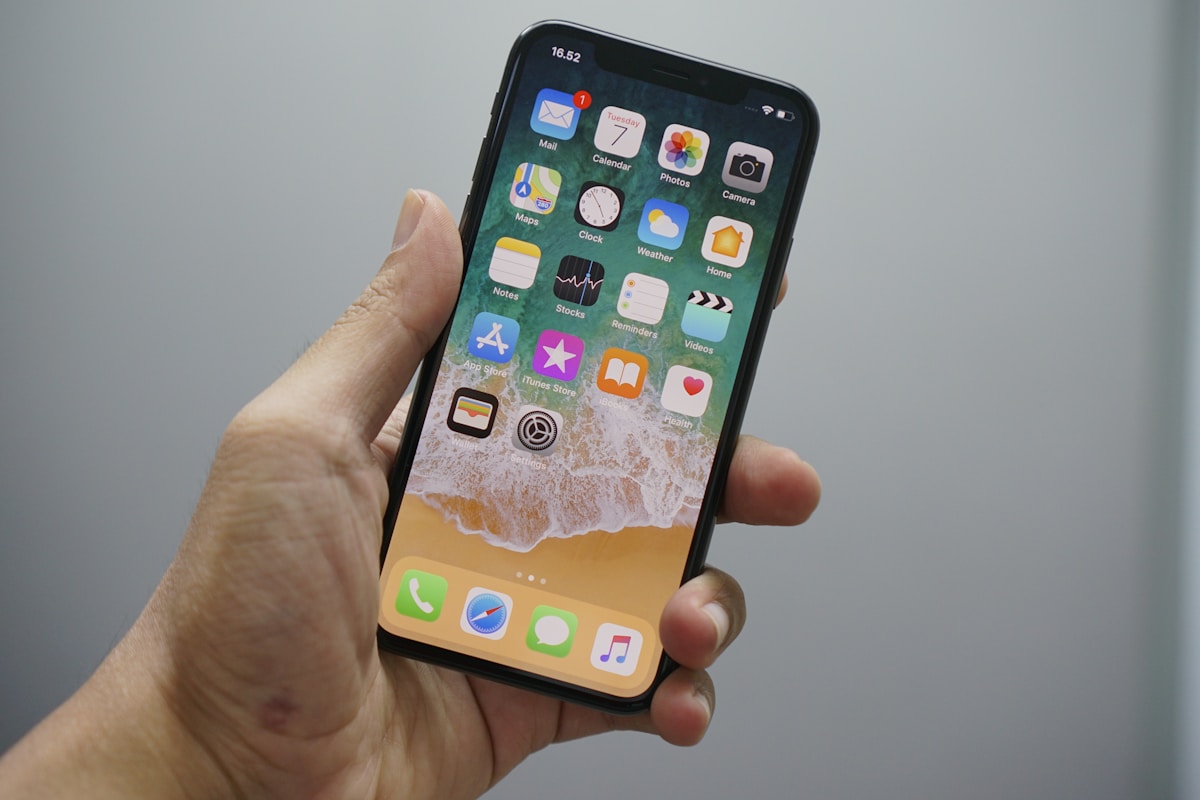

If you’re running a UK business and wondering whether to get your team’s iPhones and iPads through company contracts rather than personal purchases, you’re asking the right question.
With the iPhone 18 Pro, 18 Pro Max and the foldable iPhone Duo joining the iPhone 17 family on UK business contracts, plus increasingly capable business iPads, the financial advantages of buying through your limited company have never been clearer.
The short answer? Yes, a business iPhone bought through the company can save you significant money through tax benefits, whilst giving your team the Apple devices they need to stay productive.
How many handsets does your team need?
Get a free no-obligation quote in 60 seconds
When does your current contract expire?
Tell us about your business
Your details
We'll never share your details. Unsubscribe anytime.
Thank you!
One of our mobile experts will be in touch shortly with your tailored quote.















But there’s more to it than just calling up EE or Vodafone – you need to understand the options, compare the real costs, and structure the purchase correctly.
This guide is the explainer: why to buy through the business, which iPhone suits which role, how iPads fit in, the tax rules and how to structure the purchase. For current carrier business pricing on each model, see our separate iPhone business contracts UK hub.
Why Buy Apple Devices Through Your Business?
Before we get into which iPhone or iPad to choose, it’s worth understanding why thousands of UK businesses choose company contracts over personal purchases.
The Tax Benefits Are Substantial
When you buy an iPhone for business use through your company, you’re not just getting a phone – you’re making a legitimate business expense that reduces your corporation tax bill. Here’s how it works:
Capital Allowances: The device cost (whether an iPhone 18 Pro Max or business iPad) qualifies for capital allowances, meaning you can deduct the full purchase price from your taxable profits. With corporation tax at 25% for larger businesses, that’s significant savings.
VAT Recovery: If your business is VAT-registered, you can reclaim 20% VAT on the device and monthly contract costs – as long as the device is used primarily for business purposes.
Monthly Contract Costs: These are fully deductible business expenses, including your data, calls, and any device insurance.
Better Terms and Support
Business contracts typically offer advantages you won’t get on consumer deals:
- Priority customer service with dedicated business support lines
- Flexible payment terms – 30-day invoicing rather than direct debit
- Bulk discounts when ordering multiple devices
- Device management tools for IT administrators
- Enhanced security features and mobile device management (MDM)
Which iPhones Are Available on UK Business Contracts in 2026
As of 22 September 2026 the networks supply the iPhone 17e, iPhone 17, iPhone 17 Pro and 17 Pro Max (from network stock; Apple has withdrawn the Pro models from its own store), the new iPhone 18 Pro and 18 Pro Max (on sale since 18 September) and, from 23 October, the foldable iPhone Duo. A standard iPhone 18 is reported for spring 2027 and has not been announced. Apple UK RRPs are £699 (17e), £899 (17), £1,199 (18 Pro), £1,299 (18 Pro Max) and £1,999 (Duo), all 256GB and including VAT, retrieved 22 September 2026. Carrier business pricing changes monthly and is tracked on our iPhone business contracts UK page rather than here.
Best iPhone for Business by Role
The most common mistake in a fleet order is buying one model for everyone. Match the handset to the job:
| Role | Recommended iPhone | Why |
|---|---|---|
| Desk-based staff, finance, HR, customer service | iPhone 17e or iPhone 17 | The phone supports the work rather than replacing a laptop; £699 / £899 at Apple UK RRP. See the iPhone 17 business contract guide. |
| Field staff, engineers, drivers, account managers | iPhone 18 Pro | One-hand 6.3-inch size, up to 34 hours video battery, 3,000-nit outdoor display, best camera for site records. See the iPhone 18 Pro business contract guide. |
| Site and project managers, sales leads, lone workers on long shifts | iPhone 18 Pro Max | 6.9-inch screen for plans and dispatch boards, Apple’s longest-rated battery (up to 43 hours video). See the iPhone 18 Pro Max business contract guide. |
| Directors and reviewers who work with two apps at once | iPhone Duo | 7.6-inch inner display replaces the iPad they carry; eSIM-only and Touch ID, so plan provisioning first. See the iPhone Duo business contract guide. |
| Budget-led refresh of a large fleet | iPhone 17 Pro or 17 Pro Max from network stock | Last year’s flagships at a lower monthly cost while carrier stock lasts. See the iPhone 17 Pro Max business contract guide. |
Two rules of thumb: 256GB is enough for almost every business user, and every current iPhone supports two lines (nano-SIM plus eSIM, or dual eSIM; the Duo is dual eSIM only), so a work and personal number can share one handset.
Get an iPhone or iPad Business Quote
We source business Apple contracts across all four networks and structure them tax-efficiently.
iPad Business Contracts: Choosing the Right Device and Plan
Don’t overlook business iPads – they’re often the unsung heroes of business mobility. Whether you need tablets for presentations, point-of-sale systems, or field data collection, there’s likely an iPad business contract that makes sense.
iPad Models for Business Use
Each iPad serves different business purposes:
iPad (Standard): Perfect for basic business tasks, presentations, and as a cost-effective option for larger teams. Bulk pricing is often available on this model.
iPad Air: The sweet spot for most businesses – powerful enough for demanding apps, light enough for all-day use, with excellent battery life.
iPad Pro: When you need laptop-replacement power. Ideal for creative professionals, architects, and anyone running demanding business applications.
Cellular vs Wi-Fi: The Business Case
For business use, cellular-enabled iPads usually make more sense, despite the additional monthly cost. Your team can work anywhere without hunting for Wi-Fi, and you maintain better security by avoiding public networks.
Most iPad business plans offer reasonable data allowances that work well for typical business usage.
Comparing Networks for Business iPhones and iPads
The big four UK networks all want your business custom, but their approaches differ significantly. Here’s what to consider when comparing iPhone business contracts and iPad for business options:
| Network | Business Advantages | Best For |
|---|---|---|
| EE Business | Largest 4G/5G coverage, priority network access for business customers | Field workers, rural businesses, heavy data users |
| Vodafone Business | Strong international roaming, comprehensive business support | International businesses, frequent travellers |
| O2 Business | Flexible plans, good customer service, priority network | SMEs, businesses wanting flexibility |
| Three Business | Unlimited data options, competitive pricing | Cost-conscious businesses, high data usage |
Beyond Monthly Costs: What Really Matters
When you’re comparing iPhone contracts across the networks, don’t just focus on the monthly payment. Consider:
Upfront costs: Some deals require significant upfront payments, which affects your cash flow.
Contract length: 24 vs 36-month terms have different implications for device refresh cycles.
Data allowances: Business users often need more data than they think, especially with modern apps and cloud synchronization.
International usage: If your team travels, roaming costs can quickly spiral out of control.
Device insurance: Replacing a lost iPhone 18 Pro Max costs £1,299 at RRP, so insurance often pays for itself.
Compare Business Apple Contracts
Tell us which devices your team needs and we’ll compare EE, O2, Vodafone and Three in one written quote.
Tax Benefits Explained: Getting the Most from Business Apple Purchases
The tax advantages of buying Apple devices through your business are significant, but you need to structure things correctly to maximize the benefits and stay compliant with HMRC requirements.
Capital Allowances on Device Purchases
When you buy an iPhone 18 Pro or business iPad through your company, the device qualifies as plant and machinery for tax purposes. This means you can claim capital allowances:
Annual Investment Allowance (AIA): Currently £1 million per year, so most businesses can claim the full device cost against profits in the year of purchase.
Small Pools Allowance: Even if you exceed the AIA, devices under £1,000 can still be written off immediately.
Corporation Tax Savings: With corporation tax rates at 19-25% depending on your profits, the savings are substantial on higher-end devices like the iPhone 18 Pro Max or iPhone Duo.
VAT Recovery Rules
VAT recovery on business phones and tablets is straightforward if you follow the rules:
Primary Business Use: The device must be used mainly for business purposes. If an employee uses their iPhone for business use but also personal calls, that’s generally acceptable.
Detailed Records: Keep records showing business justification for each device – job roles, business needs, etc.
Monthly Costs: VAT on line rental, data plans, and business calls is fully recoverable.
Benefit in Kind Considerations
Company phones are one of the few genuinely tax-free benefits, but the exemption has conditions:
One phone per employee is exempt: HMRC exempts one mobile phone provided to an employee from income tax and National Insurance, with no benefit-in-kind charge and no restriction on private use, provided the contract is between the employer and the network and the company pays the bill.
Contract in the employee’s name is not exempt: If the employee holds the contract and the company reimburses them, the payment is treated as earnings and is taxable.
A second phone is taxable: The exemption covers one phone per employee. A second handset is a taxable benefit unless private use is insignificant.
Tablets: iPads are not covered by the mobile phone exemption. A company iPad provided for work is generally free of a benefit charge only where private use is not significant, so document the business purpose.
For worked examples see company mobile phones for employees and claiming mobile phone expenses through a limited company.
Leasing vs Buying: Financing Options for Business Apple Devices
You don’t necessarily need to buy Apple devices outright through traditional contracts. Several financing options can help manage cash flow whilst still gaining tax advantages.
Traditional Business Contracts
Standard iPhone business contracts spread the device cost over 24-36 months. You own the device from day one, which means:
- Full capital allowances in year one (if using AIA)
- Complete VAT recovery on purchase
- Device appears as an asset on your balance sheet
- You can sell or trade the device at contract end
Lease Options
Some businesses prefer leasing arrangements, particularly for larger device deployments:
Operating Leases: Monthly payments are fully tax-deductible, but you don’t own the device. Good for businesses that want to upgrade regularly without disposal hassles.
Finance Leases: You effectively own the device for tax purposes, gaining capital allowances whilst spreading payments.
Buy Now, Pay Later Business Options
Several providers now offer business-focused BNPL options for Apple devices, which can be attractive for smaller businesses managing cash flow. These typically offer 3-12 month payment terms without interest, though you need to factor in the tax implications of deferred payments.
You can set a spend cap to stay in control of your monthly mobile costs.
You can also get your PAC code from Vodafone to keep your number when switching.
Device Management and Security for Business Apple Deployments
Once you’ve chosen your business iPhones and iPads, you need to think about managing multiple devices across your organisation.
Mobile Device Management (MDM)
Apple’s business-grade MDM capabilities are impressive and often included free with business contracts:
App Distribution: Push business apps to all devices automatically
Security Policies: Enforce passcodes, encryption, and remote wipe capabilities
Usage Monitoring: Track data usage and identify potential issues
Remote Configuration: Set up email, Wi-Fi, and VPN settings centrally
Apple Business
On 14 April 2026 Apple replaced Apple Business (formerly Apple Business Manager), Apple Business Essentials and Apple Business Connect with a single free platform called Apple Business. If you’re deploying more than a handful of devices it is essential, and any iPhone or iPad ordered through Connection Technologies can be assigned to your Apple Business account before dispatch. It provides:
- Automated device enrolment and zero-touch set-up through Blueprints
- A built-in MDM, or hand-off to Intune, Jamf or Mosyle
- Managed Apple Accounts for employees, with cryptographic separation of work and personal data
- App distribution, business email, calendar and directory tools
- eSIM provisioning during enrolment where the network supports eSIM Carrier Activation, which matters for the eSIM-only iPhone Duo
Our mobile device management page compares the platforms.
Common Use Cases: When Business iPads Excel
While iPhones are obvious business tools, iPads for business often deliver even better ROI in specific scenarios. Here are some proven use cases where business iPads pay dividends:
Point of Sale and Customer Interaction
Retail businesses, restaurants, and service companies increasingly use iPads as POS terminals. Benefits include:
- Lower cost than traditional till systems
- Mobility for table service or outdoor events
- Integration with modern payment systems
- Easy inventory management
Field Data Collection
Construction, surveying, and inspection businesses find iPads invaluable for:
- Digital form completion
- Photo documentation
- Real-time data syncing
- GPS location services
Presentation and Sales Tools
Sales teams love iPads for client presentations because they’re:
- More engaging than laptops in face-to-face meetings
- Perfect for showcasing visual content
- Easy to carry and quick to start
- Impressive to clients and prospects
For these use cases, cellular-enabled iPads with iPad business contracts often provide better value than Wi-Fi-only models, despite the additional monthly cost.
Need reliable IT? See our IT managed services packages with 24/7 monitoring and support.
How to Structure Your Business Apple Purchase
Getting the paperwork right ensures you maximize tax benefits whilst staying HMRC-compliant. Here’s the step-by-step approach we recommend:
Before You Buy
Document Business Need: Create a simple business case explaining why your company needs specific devices. This helps justify the expense if HMRC ever asks questions.
Choose the Right Entity: Purchases should be made by your limited company, not personally. If you’re a sole trader, the tax benefits are different (but still worthwhile).
Consider Timing: If your year-end is approaching, you might want to accelerate or delay purchases to optimize your tax position.
Making the Purchase
Business Contracts: Ensure contracts are in your company name, not personal names.
Invoice Details: Invoices should show your company’s full name and address, plus VAT registration number.
Payment Method: Pay from business bank accounts to maintain clear audit trails.
Record Keeping
Asset Register: Add devices to your fixed asset register with purchase dates, costs, and serial numbers.
Usage Records: Keep basic records showing business use – particularly important for higher-value devices.
Employee Agreements: If staff take devices home, simple agreements clarifying business ownership can prevent future disputes.
Need help structuring your Apple device purchases for maximum tax efficiency? Get expert advice on the best approach for your business situation.
Future-Proofing Your Business Apple Strategy
Technology moves fast, and your device strategy needs to keep pace. Here’s how smart businesses are planning for the future:
Refresh Cycles
Most businesses find a 3-4 year refresh cycle optimal for Apple devices. This balances:
- Technology advancement
- Device reliability
- Tax efficiency
- Employee satisfaction
iPhone Refresh: iPhones typically last well, but battery life and software support mean 3-4 years is sensible for business use.
iPad Refresh: Tablets often have longer useful lives, with 4-5 years common for business iPads that don’t need cutting-edge performance.
5G and Connectivity Planning
5G coverage continues expanding across the UK, and business applications are starting to take advantage. When planning a refresh, consider:
- Current and planned 5G coverage in your business locations
- Data-intensive applications your team might adopt
- IoT and connected device strategies
Security Evolution
Cyber security threats continue evolving, and your mobile device security needs to keep pace. Apple’s regular iOS updates and business security features provide good protection, but consider:
- Regular security policy reviews
- Staff training on mobile security
- Integration with wider business security systems
- Data backup and recovery planning
Getting Started: Your Next Steps
Ready to move forward with business iPhones or iPads? Here’s how to get the best outcome:
Assess Your Needs
Device Audit: List current devices, their age, and any limitations affecting business productivity.
Get an iPhone or iPad Business Quote
Compare Apple device contracts for business with the tax treatment explained. Speak to our specialists.
User Requirements: Different roles need different capabilities. Your field team might need the iPhone 18 Pro camera, whilst office staff are well served by the iPhone 17 or 17e.
Budget Planning: Factor in device costs, monthly contracts, insurance, and accessories. Remember to account for tax benefits.
Compare Options
Don’t just compare headline monthly costs. Look at:
- Total cost over contract term
- Network coverage in your business areas
- Business support quality
- Additional services (device insurance, business apps, etc.)
- Contract flexibility
Professional Advice
Business telecoms specialists can often secure better deals than going direct to networks, plus provide valuable advice on structuring purchases for tax efficiency. They understand both the technology and the business finance implications.
At Connection Technologies, we work with businesses across the UK to source business iPhone and iPad contracts on all four networks.
We understand the tax implications, can negotiate with all major networks, and provide ongoing support to ensure your mobile technology keeps supporting your business growth.
Frequently Asked Questions
Which iPhone is best for business use?
It depends on the role. Desk-based staff are best served by the iPhone 17e or 17; field staff by the iPhone 18 Pro; site managers and long-shift workers by the iPhone 18 Pro Max; and directors who work with two apps side by side by the iPhone Duo. The table above maps each role to a model and its dedicated guide.
Can I use my iPhone as a business phone?
Yes. Every current iPhone supports two lines, so a work eSIM can sit alongside a personal number on one handset, and Apple Business or an MDM can separate work and personal data. For the tax exemption to apply, though, the contract should be in the company’s name rather than the employee’s.
Can I buy an iPhone through my limited company?
Yes. Buying iPhones through your limited company provides capital allowances, VAT recovery and corporation tax deductions on monthly costs. One phone per employee, with the contract in the company’s name, is exempt from benefit-in-kind tax even with private use; a second phone or a contract in the employee’s name is not.
What’s the difference between consumer and business iPhone contracts?
Business iPhone contracts typically offer priority customer support, 30-day payment terms instead of direct debit, bulk discounts for multiple devices, enhanced security features, and mobile device management capabilities.
The monthly costs are often similar, but business contracts provide much better support and flexibility for commercial users.
Are iPad business contracts worth it compared to Wi-Fi only models?
For most business uses, cellular-enabled iPads with business contracts provide better value despite higher costs. Your team can work anywhere without relying on Wi-Fi, you maintain better security by avoiding public networks, and the monthly costs are tax-deductible business expenses.
The productivity gains usually justify the additional cost within months.
How do I claim tax relief on business Apple devices?
Business Apple devices qualify for capital allowances (usually under Annual Investment Allowance), allowing you to deduct the full purchase cost from taxable profits. If VAT-registered, you can reclaim 20% VAT on both device and monthly contract costs.
Monthly line rental and data costs are fully deductible business expenses. Keep records showing business use and ensure purchases are made in your company name.
Which network is best for business iPhones?
The ‘best’ network depends on your specific needs. EE offers the widest 5G coverage, ideal for field workers. Vodafone Business provides excellent international roaming for frequent travellers. O2 Business offers flexible plans and good customer service.
Three Business typically has competitive pricing and unlimited data options. Consider coverage in your business areas, data requirements, and support quality rather than just monthly costs.
Buying Phones Through Your Business: The Short Version
Can you buy a phone through your business? Yes, and for a limited company it is usually the most tax-efficient way to do it: the company reclaims the VAT, deducts the cost against corporation tax, and one handset per employee carries no benefit-in-kind charge when the contract is in the company’s name. Sole traders claim the business proportion instead. The process is the same for an iPhone, an iPad or a mixed order, and we source all of them through our network partnerships. For the mechanics see limited company mobile phone contracts, and for tax detail sole trader mobile phone expenses.
Related Guides
Frequently Asked Questions
When your contract ends, you can upgrade, switch provider, or move to a rolling monthly plan. Connection Technologies proactively reviews your contracts before renewal to ensure you always get the best available deal.
Business mobile contracts in the UK typically range from £10–£50 per user per month depending on data allowances, handset choices and contract length. SIM-only deals start from around £6/month. Connection Technologies can help you find the most cost-effective plan for your team.
Yes. You can port your existing numbers to a new provider using a PAC code, which takes 1–3 working days. Connection Technologies handles the entire porting process for you at no extra cost.
See also our guide on EE Business Contracts & SIM Deals 2026: Plans, Pricing & How to Save for more details.
Not necessarily. Many businesses use MDM (Mobile Device Management) to separate work and personal data on the same device. However, a dedicated business contract gives you better control over costs, security and compliance.
EE currently offers the widest 4G and 5G coverage in the UK, followed by Vodafone and Three. The best network for your business depends on your locations. Connection Technologies works with all major networks and can recommend the best fit based on your coverage needs.
Related Reading
More from the Connection Technologies blog.