

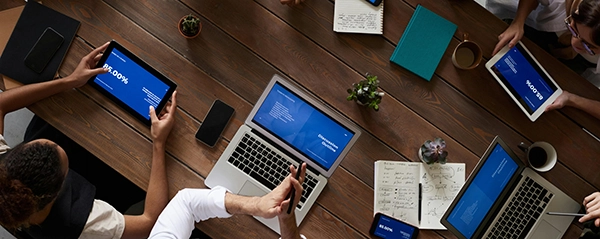
If you’re running a business and still using your personal phone for work calls, you’re not alone — but you might be costing yourself money and creating problems you don’t need to. A dedicated business mobile isn’t just a luxury for big companies. For sole traders, partnerships, and growing SMEs, it can save you hundreds per year in tax, protect your personal privacy, and give your business a more professional edge.
How many handsets does your team need?
Get a free no-obligation quote in 60 seconds
When does your current contract expire?
Tell us about your business
Your details
We'll never share your details. Unsubscribe anytime.
Thank you!
One of our mobile experts will be in touch shortly with your tailored quote.















This guide answers the question properly — with real numbers, real tax benefits, and honest advice on when a business mobile is genuinely worth it (and when it’s not).
The Tax Benefits: Why HMRC Makes It a No-Brainer
This is where most people underestimate the value. When you get a mobile phone contract through your business, two major tax benefits apply:
1. VAT Recovery (20%)
Business mobile contracts include proper VAT invoices. If your business is VAT-registered, you can reclaim the full 20% on every monthly bill. On a £30/month plan, that’s £72 back per year, per phone. For a team of 10, that’s £720/year — just from VAT recovery alone.
2. Corporation Tax Deduction
The entire cost of a business mobile contract — airtime and handset — is a legitimate business expense. At the current 25% Corporation Tax rate, a £360/year contract effectively costs your business just £270 after tax relief. Combined with VAT recovery, the effective cost drops to around £216 — a 40% saving compared to a personal contract with identical features.
Professional Image and Customer Confidence
Using a personal mobile for business might seem harmless, but customers notice. A dedicated business number:
- Looks more professional on your website, email signature, and business cards
- Builds trust — customers expect businesses to have proper contact numbers
- Separates work from personal life — you can switch off at 6pm without missing business calls (use call forwarding rules to send after-hours calls to voicemail)
- Keeps records clean — call logs and billing are separate from your personal usage
- Protects your privacy — your personal number stays private
When You Definitely Need a Business Mobile
Some situations make the case clear-cut:
You Have Employees
The moment you’re giving staff phones for work use, business contracts are essential. You get centralised billing, spend caps and controls, and the ability to manage all lines from one account. Consumer contracts simply don’t offer this.
You Handle Sensitive Data
If you’re in healthcare, legal, finance, or any sector handling personal data, mobile device management (MDM) is increasingly expected. Business contracts let you add MDM easily, with remote wipe capability if a phone is lost or stolen.
You Travel Internationally
Business contracts typically include better roaming packages than consumer deals. If your team travels within Europe or beyond, the savings on roaming alone can justify the switch.
You Want to Reclaim VAT
If you’re VAT-registered, there’s almost no reason not to have your mobile on a business contract. The 20% VAT recovery is straightforward, and the administrative overhead is minimal.
When You Might NOT Need One
Being honest — a separate business mobile isn’t always necessary:
- You’re a freelancer with very low call volumes — if you make 2–3 business calls a week, HMRC allows you to claim a proportion of your personal phone bill as a business expense instead
- You already use VoIP — if your main business line is a hosted VoIP system or virtual number, a second physical mobile may be redundant
- Your business is pre-revenue — if you’re bootstrapping and every pound counts, a pay-as-you-go SIM for occasional business calls might suffice initially
How Much Does a Business Mobile Actually Cost?
| Plan Type | Monthly Cost | After VAT Recovery | After Corp Tax |
|---|---|---|---|
| SIM Only (10GB) | £8/mo | £6.67/mo | £5.00/mo |
| SIM Only (Unlimited) | £15/mo | £12.50/mo | £9.38/mo |
| Handset + Airtime (iPhone 16) | £30/mo | £25.00/mo | £18.75/mo |
| Handset + Airtime (Samsung A55) | £18/mo | £15.00/mo | £11.25/mo |
How to Get Started
- Decide SIM-only or handset contract — if you already have a phone, SIM-only saves 40–60%
- Check network coverage at your location using our network comparison guide
- Get quotes from all four networks — EE, O2, Three, and Vodafone all have different pricing for different usage patterns
- Consider a broker — we compare all networks for you and often secure discounts not available going direct
The simplest way? Tell us your team size and we’ll build a free quote in 60 seconds — no obligation, and we’ll show you exactly how much you’d save vs your current setup.
What about 5G — do I need it for business?
5G is a nice-to-have rather than a must-have for most businesses in 2026. It delivers faster download speeds and lower latency, which matters for video-heavy workflows or real-time applications. But 4G is still perfectly adequate for email, calls, web browsing, and most cloud-based business apps. If 5G is available at your location at no extra cost, great — but don’t pay a premium for it unless your specific use case demands it.
Business Mobile vs Virtual Number: Which Do You Need?
Another option worth considering is a virtual business mobile number. This gives you a separate business number that routes to your existing personal phone — no second device required.
When a Virtual Number Works
- You’re a sole trader or freelancer with very low call volumes
- You want a professional business number but don’t want to carry two phones
- You primarily use your phone for receiving calls rather than making them
- You need a quick, cheap solution while your business is in its early stages
When You Need a Proper Business Mobile
- You have employees who need managed phone lines
- You want to reclaim VAT and get full tax deductions on the airtime and handset
- You need data, texts, and calls bundled into one plan — not just call forwarding
- You handle client data that requires mobile device management and security controls
- You want consolidated billing across multiple lines
For most businesses beyond the very earliest stages, a dedicated business mobile contract is the better long-term solution — it’s cheaper after tax relief, more professional, and far easier to manage.
What About Using Two SIMs in One Phone?
Modern smartphones — including the iPhone 15/16 and Samsung S24/S25 series — support dual SIM or eSIM. This means you can have both a personal and business number on one device, without carrying two phones.
Here’s how to set it up:
- Keep your personal SIM in the physical slot (or as a secondary eSIM)
- Add your business eSIM as the primary line
- Configure your phone to use the business line for all outgoing calls and data by default
- Personal calls come through on the personal number — completely separate billing
This dual-SIM approach gives you the best of both worlds: one phone in your pocket, two completely separate numbers and billing accounts. Your accountant gets a clean business invoice, and your personal calls stay private.
Industry-Specific Considerations
Depending on your sector, a business mobile may be more than a convenience — it could be a compliance requirement:
Construction and Trades
Site workers need rugged, reliable phones with good coverage in areas where signal can be patchy. Business contracts from networks with the widest rural and suburban coverage are essential. Consider ruggedised handsets like the Samsung XCover series.
Healthcare and Care Services
If you handle patient data (even appointment times count as personal data under GDPR), a business mobile with MDM gives you the ability to enforce encryption and remote-wipe if needed. Using a personal phone for work in this sector is a data protection risk.
Estate Agents and Sales
Your phone number IS your business. Clients call the number on the listing — if that’s your personal mobile and you change it, you lose leads. A business number stays with the company regardless of which employee handles it.
Consultants and Freelancers
Professional image matters. A dedicated business number on your LinkedIn, website, and email signature signals that you’re a serious operation. It also means you can genuinely switch off at weekends without missing business calls — set call forwarding to voicemail outside hours.
Frequently Asked Questions
Can I use a business mobile for personal calls?
Yes. HMRC allows one company mobile per employee as a tax-free benefit. There’s no Benefit-in-Kind charge, so your staff (or you) can use it for personal calls without any tax implications.
Can a sole trader get a business mobile?
Absolutely. You don’t need to be a limited company. Sole traders and partnerships can get business mobile contracts and claim the costs as a business expense.
Is it better to buy the phone outright or get it on contract?
Either way, the cost is tax-deductible. Buying outright and pairing with a cheap SIM-only deal is usually cheaper overall, but a handset contract spreads the cost and keeps cash in your business.
What if I’m already in a personal contract?
You can wait for it to expire, or request a PAC code to port your number to a business contract. Some providers charge an early exit fee, but the ongoing savings often outweigh it within a few months.
Related Guides
Related Reading
More from the Connection Technologies blog.