What Is a kWh? Business Energy Usage Explained
Quick Answer
A kWh (kilowatt-hour) is the unit your gas and electricity are measured and billed in. One kWh is 1,000 watts of power used for one hour — and your supplier charges you a set price, the unit rate, for every kWh you use.
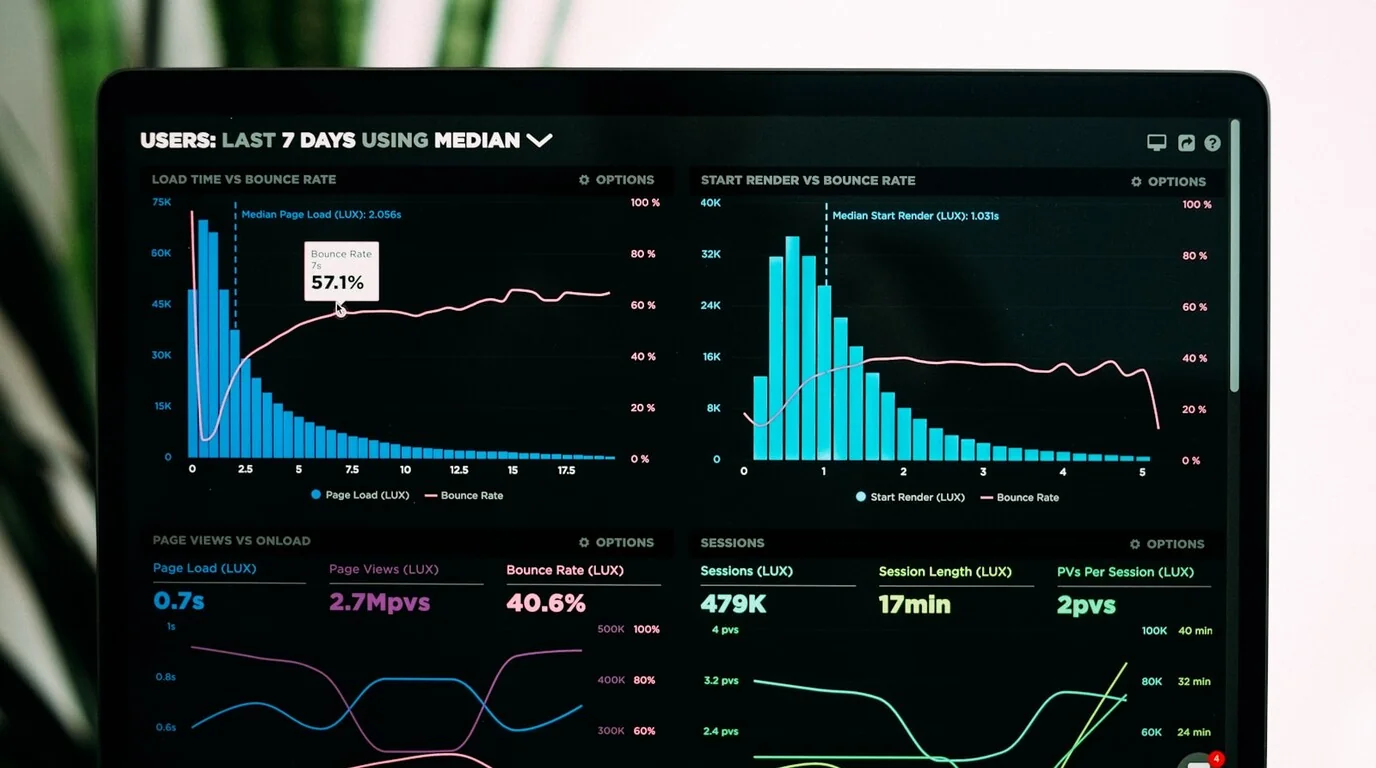
Almost everything about your energy bill comes back to one little unit: the kWh. Knowing what a kWh is makes your bill, your meter readings and any energy comparison far easier to understand. Here is the plain-English version.
What does kWh mean?
kWh stands for kilowatt-hour. It is a measure of energy: the amount used by a 1,000-watt (1 kW) appliance running for one hour. A few everyday examples:
- A 2,000-watt fan heater on for 30 minutes uses 1 kWh.
- Ten 100-watt lights on for one hour use 1 kWh.
- A typical office desktop and monitor for a full 8-hour day uses roughly 1–1.5 kWh.
kW vs kWh — what is the difference?
People mix these up constantly:
- kW (kilowatt) is power — how fast energy is being used right now.
- kWh (kilowatt-hour) is energy — the total used over time.
Think of a car: kW is the speed, kWh is the distance travelled. Your bill charges you per kWh (the distance), while a half-hourly meter is needed once your peak demand in kW gets large.
Where kWh appears on your business bill
Your bill shows the kWh used in the billing period and multiplies it by your unit rate (pence per kWh). That, plus the daily standing charge, is your bill before VAT.
How many kWh does a business use?
It varies hugely by size and sector, but as a rough guide for electricity:
- Micro business: under 5,000 kWh/year
- Small business: 5,000–15,000 kWh/year
- Medium business: 15,000–50,000 kWh/year
- Large / multi-site: 50,000 kWh/year and up
Your usage band affects the rate you are offered — larger users get lower unit rates. See current business electricity prices per kWh.
How to work out (and cut) your kWh cost
Cost = kWh used × unit rate. So 10,000 kWh at 26p is £2,600 before standing charges and VAT. To cut it, reduce wasted kWh (lighting, heating, idle equipment) and make sure your unit rate is competitive — the second one is usually the bigger win.
How to find your kWh usage
You do not need to be technical to find your usage. There are three easy ways:
- Your bill. Every business energy bill shows the kWh used in the period, usually next to the unit rate. Add up a year of bills for your annual kWh.
- Your annual statement. Suppliers issue a yearly summary showing total kWh — the single most useful number for comparing quotes.
- Your meter. A standard meter shows a cumulative kWh reading; the gap between two readings is your usage. Half-hourly meters record it automatically every 30 minutes.
Once you know your annual kWh you can compare properly — the cheapest tariff for a 4,000 kWh shop is rarely the cheapest for a 40,000 kWh workshop. Prefer not to dig through bills? Upload one when you request a quote and we will read the kWh figures for you.
Is business gas measured in kWh too?
Yes. Although gas meters physically record volume — in cubic metres (m³) or hundreds of cubic feet — your supplier converts that volume into kWh before billing you, so gas and electricity are both priced per kWh. That is why you can compare them on the same basis.
The conversion uses a standard formula based on the calorific value of the gas, but as a rough guide one cubic metre of gas is about 11 kWh. You do not need to do this maths yourself — it appears on your bill — but it explains why a gas meter reading and your billed kWh look so different. For typical 2026 gas pricing, see business gas prices per kWh.
Want to know what you should be paying? Compare live business energy prices from every major UK supplier in 60 seconds.
Get a free energy quote → or compare business energy pricesFrequently asked questions
What is a kWh?
A kWh (kilowatt-hour) is the standard unit of energy used to measure and bill electricity and gas. One kWh is the energy used by a 1,000-watt appliance running for one hour — for example, a 2,000-watt heater used for 30 minutes.
What is the difference between kW and kWh?
A kW (kilowatt) is power — how fast energy is used at a moment in time. A kWh (kilowatt-hour) is energy — the total amount used over time. Your bill charges you per kWh, while your meter capacity is measured in kW.
How many kWh does a business use per year?
A micro business often uses under 5,000 kWh of electricity a year, a small business 5,000–15,000 kWh, a medium business 15,000–50,000 kWh, and large or multi-site users 50,000 kWh or more. Gas usage is usually higher in kWh for heating-heavy premises.
How do I work out the cost of a kWh?
Multiply the number of kWh used by your unit rate. For example, 10,000 kWh at 26p per kWh is £2,600 for the energy, before standing charges and VAT. Your unit rate is shown on your bill in pence per kWh.